Does Cold Weather Affect a Car Battery
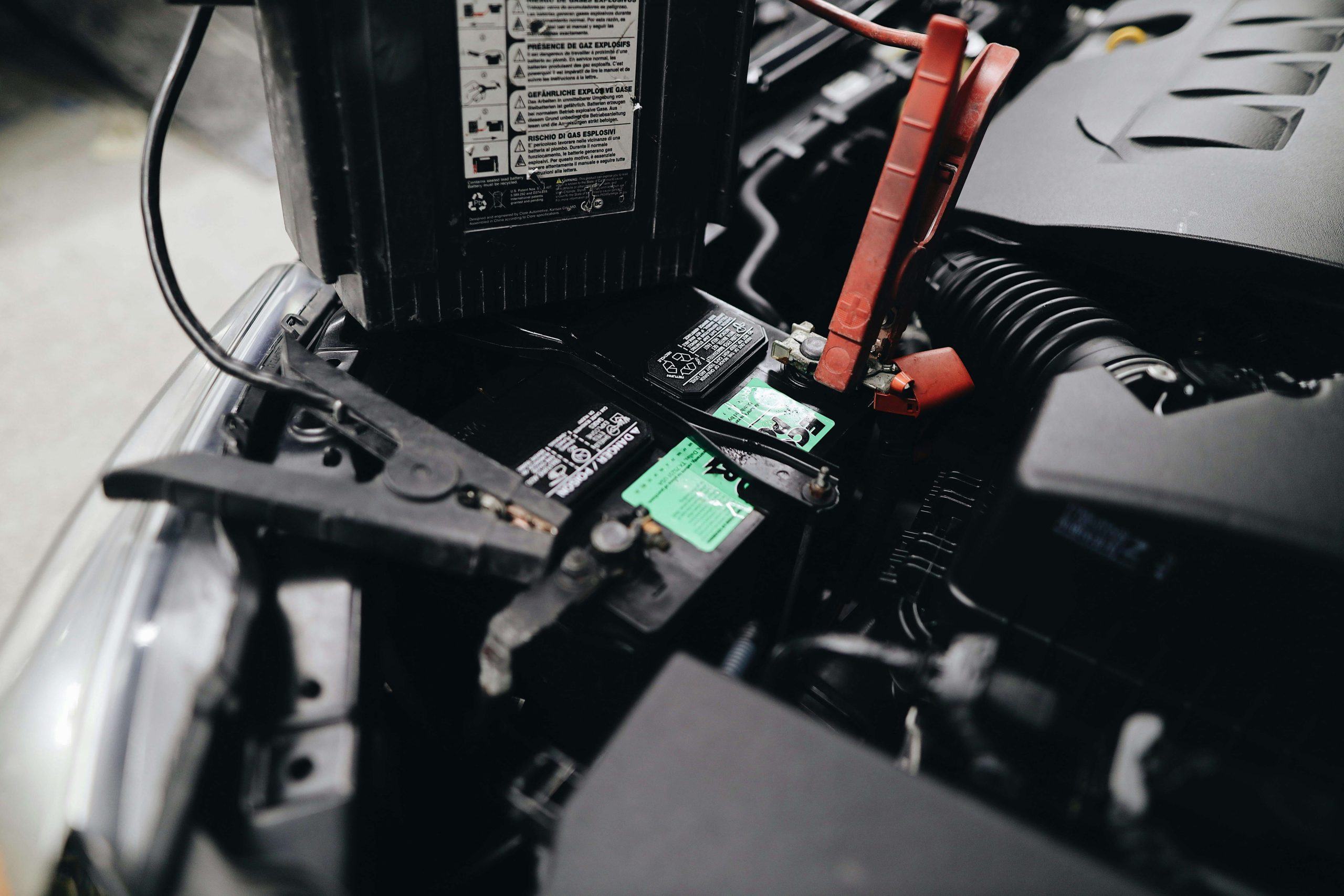
Is there anything more frustrating than heading out on a freezing winter morning, turning the key, and hearing nothing but a sluggish groan from your engine? When the temperature drops, it places a higher amount of strain on both the mechanical and electrical systems of your vehicle, making them far more prone to failure than during the milder months.
We want to ensure you aren’t left stranded in the frost. Understanding why your vehicle is struggling to start is the first step toward prevention. In this guide, we’ll explore the science behind why cold weather and car battery performance are so closely linked, and how our professional vehicle winter checks in Peterborough can keep you on the road.
Why Won’t My Car Start in the Cold?
Low temperatures change the physical properties of the liquids and components that your car relies on to function, such as the motor, battery, spark and glow plugs. When it’s freezing outside, your vehicle takes longer to warm up, making the ignition process harder. There are several primary culprits behind a car not starting in cold weather, ranging from thickened fluids to chemical slowdowns within the battery itself.
The Problem of Thickened Engine Oil
One of the common reasons for a difficult start is the change in your engine oil’s thickness. In freezing temperatures, engine oil is less smooth, making it harder for the engine to pump it through the block. For your car to fire up, this oil must circulate. The thicker it is, the more force the starter motor must exert to overcome the resistance.
You can avoid this strain by ensuring you have fresh oil through car servicing. By regularly changing your oil, you maintain the correct thickness. This allows the motor to turn over with less resistance and requires less power from your battery.
Fuel Evaporation and Gelling
If you drive a petrol car, the cold affects how your fuel behaves. Petrol does not vaporise easily in freezing conditions, making it much harder for your spark plugs to ignite the fuel-air mixture.
For diesel drivers, the paraffin wax in the fuel can turn into a waxy gel, which can quickly clog your fuel filter and injectors.
Can Cold Weather Affect Car Battery Health?
Yes. Many people ask, “Can cold weather affect car battery health?” and the reality is that the cold can damage your battery. Your car battery relies on a chemical reaction to produce electrical current. Cold air temperatures slow this reaction down, which reduces the total power output the battery can provide.
The engine actually requires more power to start in the cold due to thickened oil. If you’re worried about your car battery in cold weather, it’s important to remember that at 0°C, a battery loses about 35% of its power, and at -18°C, it can lose up to 60%.
How to Prevent a Dead Battery in Winter
Maintaining your battery doesn’t have to be a chore. To ensure you aren’t left with a car not starting in cold weather, consider the following:
- Regularly check the health of your battery and use a trickle charger if you don’t drive long distances often.
- Ensure your battery terminals are free of corrosion to reduce electrical resistance.
- Most batteries have a lifespan of 3 to 5 years. If yours is older, it may be time for a professional battery test.
- Short journeys don’t give the alternator enough time to recharge the power used to start the car. A 20 minute drive allows the alternator to recharge the battery, ensuring you aren’t met with a silent engine the next morning
- If you have a garage, use it to keep the battery at a more stable temperature.
Summer’s role on Battery Health
It’s a misconception that winter is the only season that damages batteries. In reality, when people ask if cold weather affects a car battery, they should also look back at the previous summer. High summer temperatures accelerate internal corrosion, weakening the internal structure.
What if Your Car Turns Over but Does Not Start?
If you find your petrol engine struggling, a trick is to flick the ignition to the on position a few times without actually starting the car. This gives the fuel pump a head start in preparing the system. For those in diesel vehicles, patience is needed. Let the orange glow plug light vanish before you try to fire it up. On those bitterly cold mornings, cycling the glow plugs twice can help get the combustion chamber warm enough to start.
Expert Winter Support at Vital Vehicle Care
Don’t wait until you’re running late for work to find out your car won’t start. Being proactive is the best way to handle driving in the British winter. At Vital Vehicle Care, we offer vehicle winter checks in Peterborough to ensure your car is prepared for the drop in temperature.
If you need a full car service, or you just want to know if cold weather affects car battery life for your specific make and model, our team is here to help. We can diagnose potential issues before they become expensive breakdowns, giving you peace of mind all season long.
Contact Vital Vehicle Care today to book your winter health check and ensure your car stays reliable no matter how low the temperature drops.
Go Back